
SD Bullion Releases New Market Analysis on Precious Metals Ratio Trends and Economic Cycles


As global financial markets continue to adapt to inflationary pressures, shifting interest-rate policies, and ongoing geopolitical uncertainty, investors are increasingly turning to long-standing market indicators for guidance. One key tool drawing attention in early 2026 is the gold silver ratio chart a historical metric used to compare the price of gold to silver and provide insight into relative value, investor sentiment, and broader economic trends.
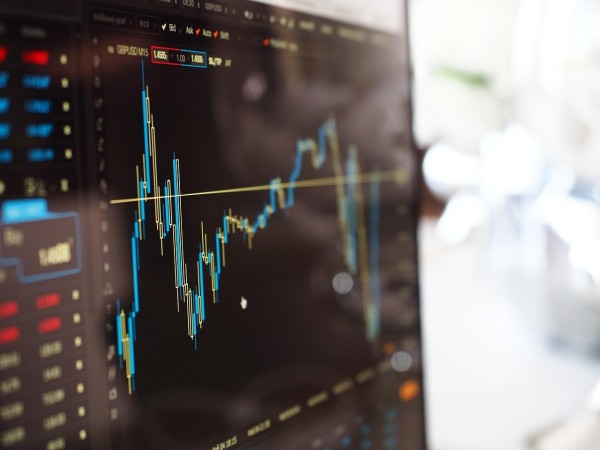
The gold–silver ratio measures how many ounces of silver are needed to buy one ounce of gold. Gold is widely viewed as a safe-haven asset during economic uncertainty, while silver serves a dual role as both a precious metal and an industrial commodity. This combination allows the ratio to reflect both defensive investor behavior and expectations for growth.
What the Gold–Silver Ratio Reveals About the Economy
Historically, the gold–silver ratio has shown recognizable patterns during major economic shifts. A rising ratio often indicates increased demand for gold, reflecting investor caution or risk aversion. Conversely, a declining ratio can signal growing industrial demand for silver or heightened investor confidence.
“Periods when the ratio is elevated often coincide with market uncertainty,” said Chase Turner, precious metals analyst at SD Bullion. “Understanding these historical patterns helps investors position their portfolios more effectively, particularly during volatile times.”
Understanding Gold and Silver’s Role in Economic Cycles
Gold acts primarily as a store of value and a hedge against inflation. Silver, on the other hand, is heavily used in manufacturing, renewable energy, electronics, and medical technologies. Because of this industrial exposure, silver prices are sensitive to economic growth trends, while gold tends to react more strongly to global financial uncertainty.
The interaction between these metals provides a unique window into both fear and growth in the economy, making the ratio a valuable reference point for strategic investment decisions.
Why Investors Track Long-Term Gold–Silver Ratio Trends
Experienced investors rarely rely on short-term price movements alone. Instead, they examine decades-long trends in the gold–silver ratio to identify historically significant extremes.
Historically, unusually high ratios have signaled that silver may be undervalued relative to gold, prompting strategic reallocation. Similarly, low ratios can indicate that gold is relatively cheap compared to silver. By analyzing these long-term patterns, investors can avoid reactionary decisions based on short-term market noise.
Gold–Silver Ratio Extremes and Market Shifts
Extreme highs or lows in the gold–silver ratio often precede notable market shifts. For example, during the market turmoil of March 2020, the ratio climbed above 120, signaling a surge in gold demand as investors sought safety. Such historical benchmarks help investors gauge whether current market conditions favor defensive strategies or risk-taking allocations.
The Role of Precious Metals in Portfolio Diversification
Gold and silver remain essential tools for portfolio diversification. Gold has historically preserved purchasing power over time, particularly during periods of inflation or currency devaluation. Silver provides exposure to industrial growth, giving investors additional balance within their portfolios.
By using the gold–silver ratio as a reference point, investors can fine-tune allocations, aligning risk and growth expectations with real-time market conditions. This strategy reduces reliance on guesswork and enhances long-term portfolio stability.
Gold vs. Silver Performance During Inflation and Growth Periods
During inflationary periods, both metals typically perform well as fiat currencies lose purchasing power. However, silver’s industrial applications allow it to outperform gold when economic growth accelerates. Conversely, gold often leads performance during periods of market uncertainty, reflecting its traditional safe-haven status.
Monitoring the ratio provides context for these dynamics, helping investors understand which metal may be favored under different macroeconomic conditions.
Modern Access to Gold–Silver Ratio Data and Market Transparency
Today, investors have access to real-time pricing data and historical charts, allowing for precise analysis that was once only possible for institutional traders. Platforms like SD Bullion provide educational resources, historical data, and expert commentary, helping investors understand the significance of ratio fluctuations in both historical and modern contexts.
This transparency has strengthened confidence in precious metals investing, supporting informed decision-making and long-term financial planning.
Why the Gold–Silver Ratio Remains Relevant in 2026
Despite rapid technological and market changes, the gold–silver ratio remains a time-tested indicator. By bridging centuries of monetary history with contemporary financial analysis, it offers perspective that goes beyond short-term market fluctuations.
As investors navigate the economic landscape of 2026, the ratio continues to serve as a reliable guide for portfolio allocation, risk management, and understanding market sentiment. Tools grounded in historical performance remain invaluable for those seeking stability, context, and confidence in an unpredictable financial world.
About SD Bullion, Inc.
SD Bullion is a U.S.-based precious metals dealer providing access to physical gold and silver products, along with market insights and educational resources for investors.
Company Details
Organization: SD Bullion, Inc.
Contact Person: Mr. Chase Turner
Website: https://sdbullion.com
Email: email.careers@sdbullion.com
Country: United States
Release Id: 16022641479