Drive Attendance with a Perfect Press Release for Your U.S. Event

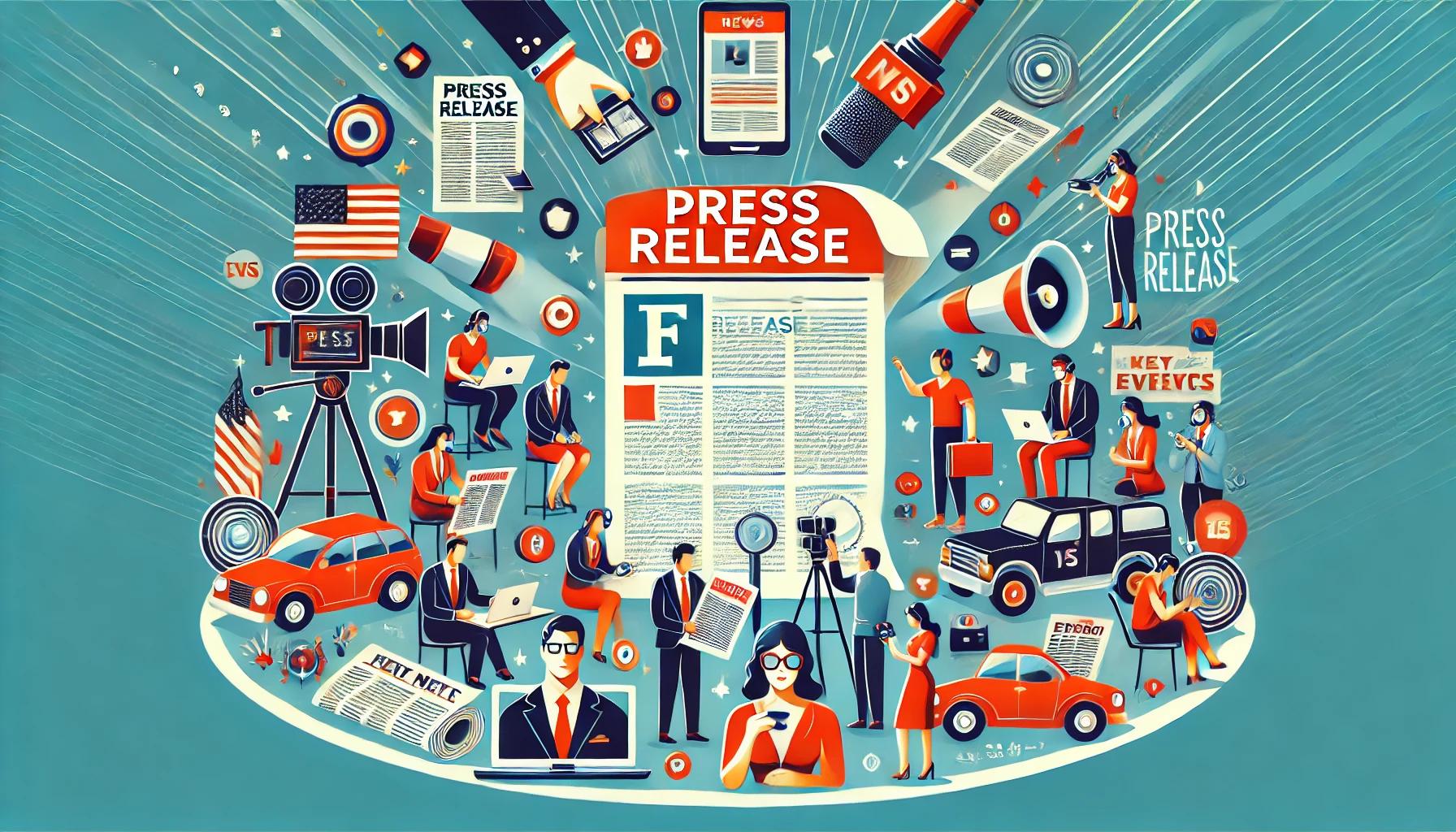
The effective propagation of an upcoming event in the U.S. can be significantly achieved through a well-constructed press release. Indeed, a carefully crafted Perfect press release is one of the most essential communication tools because it provides critical information regarding the event while keeping the media outlets and target audience interested. Using a systematic approach, a press release can contribute to the popularity of an event and ensure excellent attendance without trying out gimmicks.
Structure of a Press Release
A Perfect press release begins with a short and clear headline. The headline essentially does, at its very core, summarize the event in such a way that leads journalists and other press mediums to read more about this activity. Avoid sensational and exaggerated statements, which can lower the article’s credibility because, from the headline, one gets the tone of an event.
The lead is the top paragraph, also called the “hook.” This, most importantly, provides an answer to the “5 W’s” in journalism- who, what, when, where, and why. Providing why it is of significance or uniqueness should also be mentioned if relevant.
Maintain Consistency with AP Style
A Perfect press release should follow the best styles, such as the Associated Press Stylebook guidelines. Uniformity in writing, grammar, and punctuation enriches the press release’s general professionalism. For example, use proper capitalization in the names of events, dates, and locations. Do not use jargon or overly sophisticated language; if you use a simple style, a more comprehensive range of recipients can read and understand it.
Including Relevant Quotes and Speaker Information
Quotes from the people organizing the event, other vital speakers, or industry leaders can be incorporated in a Perfect press release. Testimonies or speeches given by the speakers themselves can be some of them. Still, quotes are much more critical in how they should mesh with the prevailing tone for portraying the release while remaining as factual as possible without sounding overly promotional.
Show Key Event Information Briefly
The body of the Perfect press release should be the space where the event details are clarified. For instance, it will be a discussion of the theme, agenda, or activities of the event. The section is also a good place to describe how the event relates to the more prominent trends or themes in the industry, community, or region. This kind of contextual information can really help generate media interest.
Include Media Contact and Other Resources
A Perfect press release should have contact information if the press needs to inquire. Ideally, this should be placed near the bottom of the release and include the name, e-mail address, and phone number of a media contact or public relations person representing the event. Additionally, if applicable, links to a media kit or online resources such as images, logos, or additional press materials should be provided.
Tailoring the Release for Media Outlets
The final component is the readership of the media outlets receiving the release. Even though the content must be objective and factual, the tone and emphasis should vary with each publication’s readership. A local newspaper would appreciate more details in the release to have been community-focused, whereas a national outlet might prefer industry-related angles.
Best Practices for Timely Distribution
Timing is just as essential as content when it comes to releasing a Perfect press release. It has to be released two weeks ahead of the event so that there will be enough time for media planning to cover this event. In some cases, the earlier release would be better, especially for more significant or much-publicized events where planning should be done on the side of the media.
Conclusion
A well-rounded press release calls for forward-looking attention to detail, professional standards, and sticking to the facts without a hint of promotional voice. Proper structuring of the release to maintain consistency with AP Style and including relevant quotes and event details allow businesses and organizations the opportunity to make their event draw in the media attention required to drive attendance. And, of course, an effectively well-timed press release, targeted in the suitable medium and the right words, can raise an event’s profile and add to its success.
Frequently Asked Questions (FAQs)
1. What is a perfect press release for a U.S. event?
A perfect press release for a U.S. event is a structured, factual announcement that communicates key event details clearly to media and audiences. It typically includes a headline, lead paragraph, body content, quotes, and contact information. When written properly, it may help increase awareness, media coverage, and overall event attendance.
2. How does a headline impact an event press release?
The headline is the first element journalists notice, so it should clearly summarize the event without exaggeration. A concise and informative headline may encourage media professionals to read further. Strong headlines can improve engagement while maintaining credibility and professionalism in the announcement.
3. Why is the lead paragraph important in event press releases?
The lead paragraph provides the most essential details by answering who, what, when, where, and why. This section allows journalists to quickly understand the event’s purpose and relevance. A well-written lead may improve readability and increase the chances of media coverage.
4. How does AP Style improve press release quality?
Using AP Style ensures consistency in grammar, formatting, and presentation. It aligns the press release with journalistic standards, making it easier for media outlets to publish the content. U.S. organizations may benefit from this standardized approach to maintain professionalism and clarity.
5. How should event details be presented in the body section?
The body should explain the event’s purpose, agenda, and key highlights in a clear and organized manner. Including context related to industry or community relevance may increase interest. Structured and concise information helps journalists quickly identify important aspects of the event.
6. Why are quotes important in event press releases?
Quotes from organizers, speakers, or industry experts can add credibility and a human perspective. They help present the event’s significance in a more relatable way. When used correctly, quotes may enhance storytelling and make the press release more engaging for readers and media.
7. What role does media contact information play?
Media contact details allow journalists to follow up for additional information, interviews, or clarifications. Including accurate contact information ensures accessibility and professionalism. This may increase the likelihood of media coverage and further communication opportunities.
8. How should a press release be tailored for different media outlets?
Different media outlets may prefer different angles, such as community-focused or industry-focused content. Adjusting tone and emphasis based on the audience can improve relevance. U.S. businesses may benefit from customizing releases to match the interests of specific publications.
9. When is the best time to distribute an event press release?
Press releases are typically distributed at least two weeks before the event to allow media planning. Larger events may require earlier announcements. Proper timing may improve visibility and give journalists sufficient time to cover or promote the event.
10. How can a press release help increase event attendance?
A well-written and strategically distributed press release may generate awareness, attract media attention, and inform potential attendees. By clearly presenting event value and details, it can encourage participation and improve overall turnout when combined with effective distribution strategies.
You May Like:
How to Write a Winning Event Press Release: Examples for U.S. Companies
What U.S. Businesses Can Learn from a King News Press Release
Why Your Press Release Dateline Matters: A Guide for U.S. Brands