
Scientology Volunteers Intensified Drug Prevention Across France in October

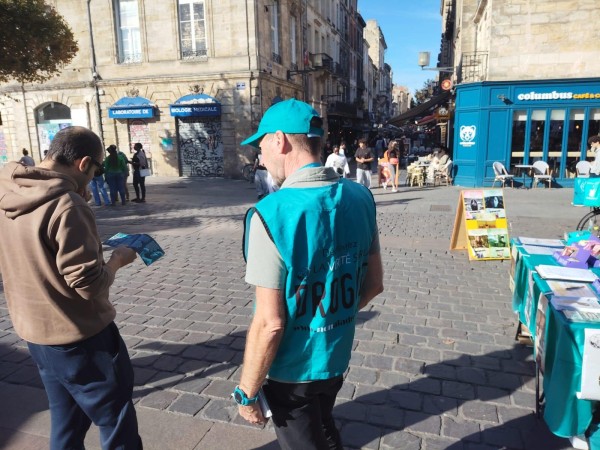
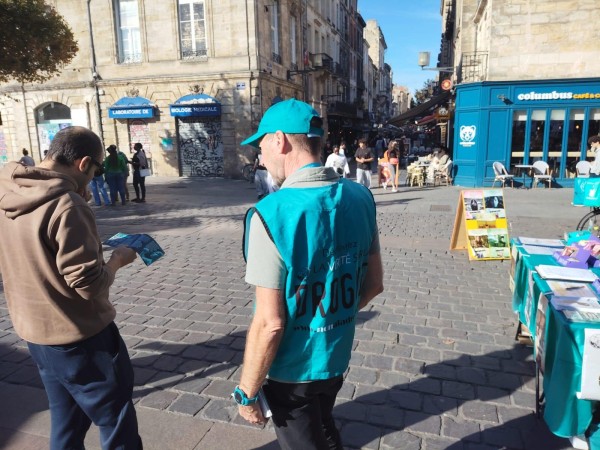
Volunteers from Drug-Free World France intensified their drug-prevention outreach throughout the autumn, engaging thousands of residents in cities and towns across the country. From Brittany and Paris to Reims, Bordeaux, Toulouse, Nice and the South-West, merchants, educators, parents and young adults welcomed Truth About Drugs materials and held open conversations on substance-use concerns, including synthetic drugs and early experimentation. The programme, inspired by the humanitarian work of L. Ron Hubbard, continues to support grassroots efforts promoting informed choices and community wellbeing across France.
Drug-Free World France Outreach
Belgium, 20th Nov 2025 — Throughout the autumn, Drug-Free World France volunteers increased their presence across the country. They carried out a series of drug-prevention actions that reached thousands of residents in both large cities and smaller towns. From the western coast to the Rhone-Alpes region, from Paris to the South-West, the initiative engaged parents, educators, shopkeepers, young adults, and health professionals seeking clear and reliable information about the risks of narcotics and synthetic substances.
This heightened activity comes as public discussion in France increasingly focuses on youth exposure to drugs and the appearance of new synthetic substances in schools and neighborhoods. Therefore, teachers, health practitioners, and community leaders have voiced concern about early experimentation. Meanwhile, grassroots organisations continue to deliver practical, community-level prevention. The Truth About Drugs programme—developed within the humanitarian legacy of L. Ron Hubbard, founder of the Church of Scientology—provides factual and accessible materials to help people make informed decisions.
Brittany and Western Outreach
In early October, volunteers in Brittany visited a network of small shops, cafes, and businesses. They provided over a thousand Truth About Drugs booklets in areas where merchants showed interest and appreciation for the materials. Several shop owners spoke with volunteers about the spread of synthetic drugs and the need for clearer information. One volunteer recounted that a restaurant employer in the region had stopped using drugs after watching an educational video. He then communicated a drug-free workplace expectation to his entire staff. This example highlighted the positive ripple effects of fact-based prevention.
As the month continued, outreach in western France sparked conversations with pharmacists, municipal workers, parents, and educators. A pharmacist running an addiction-support clinic requested a display stand and more materials for her patients. She explained she had used the booklets effectively the previous year. A law-enforcement representative also requested materials for public use. In several cafes, owners noted that prevention resources were arriving “at the right moment,” given local concerns about early exposure to drugs.
Outreach Across Loire Regions
Further east, in towns in the Loire and Rhône-Alpes regions, volunteers visited dozens of merchants. Many willingly displayed materials for customers and employees. Discussions often focused on cocaine, which several residents said was increasingly visible across age groups.
A significant rise in engagement occurred in Reims. Volunteers distributed tens of thousands of booklets quickly. Shopkeepers—from boutiques to larger retail outlets—made space for displays or requested additional stock. One young manager recognised the booklet from his student years in another city. After reading it then, he had stopped smoking and expressed gratitude for its clarity. Another business owner raised concerns about PTC among local youth. During street outreach, a young adult shared that he had stopped using PTC a month earlier. He encouraged volunteers to continue, calling their work “very important.”
Paris and Bordeaux Outreach
In Paris, volunteers carried out one of their largest autumn activities in a neighborhood where families often expressed concern about drug-related issues. Thousands of booklets were distributed to shops, and many residents spoke directly with volunteers. A psychologist requested an entire display for her practice. She planned to integrate the materials into her awareness work with clients. A couple picked up booklets for their daughter, who travels with friends. They described the materials as a practical way to start preventive conversations. Several residents appreciated that resources were now available at street level.
South-western France also saw strong engagement. Volunteers set up a prevention booth in Bordeaux, attended by many passers-by and business owners. In addition to distributing booklets, they conducted impairment-simulation exercises with glasses that mimic alcohol or cannabis effects. These exercises prompted discussions about recreational drug risks. Merchants highlighted the importance of providing adolescents and young adults tools to understand substance-related dangers.
Outreach In Southwest Towns
Other towns in the South-West, including Agen, welcomed volunteers distributing booklets in shops. Owners expressed interest in supporting longer-term prevention. In Toulouse, volunteers continued outreach in districts where educators regularly requested materials. In Nice, a street stand allowed exchanges with families affected by addiction. Several people asked to be contacted for future participation, including one who wished to join the association.
As autumn ended, outreach in eastern France included hundreds of booklets distributed in Belfort. A social-housing employee requested a full box for families who would benefit. Local shops responded positively. Some merchants noted that brochures were taken quickly and requested regular replenishment. In Marseille, more materials circulated in neighborhoods where community demand for prevention tools remained strong throughout the year.
Across all regions, volunteers observed consistent trends. Parents wanted practical, trustworthy information. Shopkeepers were eager to support community wellbeing. Young adults shared personal experiences and concerns. Many residents said the materials helped start conversations within families or workplaces.
Reflecting on these activities, Ivan Arjona-Pelado, representative of the Church of Scientology to the EU, OSCE, Council of Europe, and UN, stated:
“The growing participation of local communities shows how much people value factual and accessible prevention. When individuals receive clear information, they feel empowered to take responsibility for their families and neighborhoods. Effective prevention contributes not only to public health but also to the dignity and cohesion of our societies across Europe.”
Scientology Community Support
These efforts reflect the Church of Scientology’s long-standing commitment to education, drug prevention, human rights awareness, and community improvement. Founded by L. Ron Hubbard in the 1950s, Scientology is recognised as a religion in various European countries. Its churches, missions, and affiliated groups carry out non-sectarian initiatives that encourage informed choices and safer communities. Recognition of these contributions continues to grow across the continent.
Company Details
Organization: European Office Church of Scientology for Public Affairs and Human Rights
Contact Person: Ivan Arjona
Website: https://www.scientologyeurope.org
Email: Send Email
Address: Boulevard de Waterloo 103
City: Brussels
State: Brussels
Country: Belgium
Release Id: 20112537476