
Stop Overpaying on Rentals: Earthmoving MSU Guide

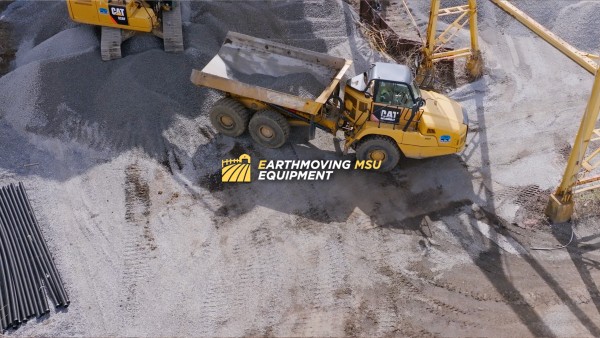
Stop wasting money on rental fees. Earthmoving MSU Equipment shows how buying and reselling a used CAT excavator can save you $85,000 in just one year.
CAT 320 Rentals Hit $9,600 Per Month: US Contractors Are Buying Pre-Owned Instead
Published dealer rate cards now show a CAT 320-class excavator rents for $9,592 per month in the US market, with rental pricing up 3.2% year-over-year according to HERC Holdings’ 2024 earnings release. On a four-month construction job, that adds up to $38,368 in fees with nothing to show at the end. Earthmoving MSU Equipment, a curated online retailer of 100 to 140 pre-owned machines, is reporting a 2026 surge in contractors who have reviewed the numbers and found that buying a comparable used machine — then selling it after the project — costs 40% to 60% less.
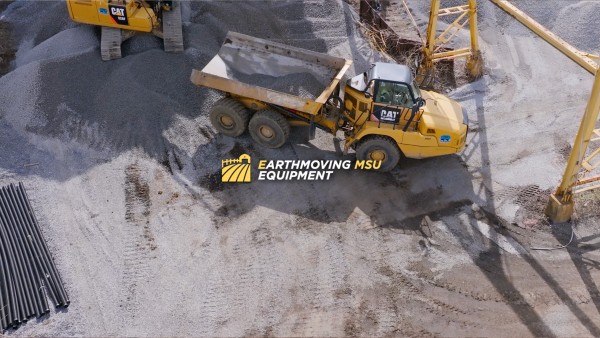
THE RENTAL RATE SQUEEZE
An industry review of 2025 rental market data from the American Rental Association shows US equipment rental revenues reached $83.7 billion in 2024, up 8% from 2023, and are projected to hit $87.5 billion in 2025. United Rentals reported 2025 revenue of $16.1 billion, a 4.9% increase. Sustained market growth has kept per-unit pricing elevated, and for contractors running multi-month jobs, the math has quietly flipped: a project lasting four months or more now generates rental invoices that approach the resale value of a comparable pre-owned machine.
THE BUY-VS-RENT MATH
Earthmoving MSU Equipment stocks pre-owned CAT 320-class excavators from 2019 to 2022 model years, listed on the US market for $90,000 to $130,000. A contractor who buys at $105,000, completes a twelve-month project, and sells for approximately $82,000 nets a holding cost of $23,000 — against $115,104 in rental fees.
- 4-month job: $38,368 in rental fees vs. approximately $20,000 net ownership cost
- 8-month job: $76,736 in rental fees vs. approximately $25,000 net ownership cost
- 12-month job: $115,104 in rental fees vs. approximately $30,000 net ownership cost
- Full inspection review: Every machine includes a multi-point condition report with verified hour meters and hydraulic test data
- Ready to ship: All 100 to 140 machines in inventory are inspected and available within 5 business days

“Most contractors do not realize they have been subsidizing rental company profits for years,” said Kevin Evans, Public Relations Chief at Earthmoving MSU Equipment. “When they review the rental invoices from their last project, they see it immediately: they paid more in fees than the machine is worth. Buying, using, and reselling is not a complex strategy — it is arithmetic.”
ABOUT Earthmoving MSU Equipment
Earthmoving MSU Equipment is an online heavy equipment retailer based in Mount Olive, NC that sells a curated fleet of 100 to 140 inspected, pre-owned machines to independent contractors, farmers, and small businesses across the United States. Every listing includes detailed inspection reports available for buyer review, transparent pricing with no hidden fees, and nationwide shipping coordination. Founded in 2011, the company serves buyers in all 48 contiguous states. Learn more at https://emsu-equipment.com.
Frequently Asked Questions (FAQs)
1. What is the Earthmoving MSU Equipment buy-and-resell strategy?
The buy-and-resell strategy involves purchasing a pre-owned excavator, using it for a project, and then reselling it afterward. Instead of paying recurring rental fees, contractors may recover part of their cost through resale. Final costs typically depend on machine condition, usage duration, and market resale value.
2. How does renting heavy equipment compare to buying used machines?
Renting involves ongoing monthly payments with no ownership, while buying a used machine allows potential cost recovery through resale. The overall difference in cost depends on project duration, machine pricing, maintenance needs, and resale conditions at the time of sale.
3. Why are rental costs increasing in the equipment market?
Rental costs may increase due to demand growth, operational expenses, and market expansion within the equipment rental industry. Industry data suggests pricing trends can vary year to year, depending on economic conditions, supply levels, and infrastructure project activity.
4. Who typically considers buying instead of renting equipment?
Independent contractors, construction firms, and small businesses working on longer-term projects may consider buying equipment. The decision often depends on project timelines, available capital, and the ability to manage resale after project completion.
5. What factors affect the resale value of used excavators?
Resale value is influenced by machine age, operating hours, maintenance history, and market demand. External factors such as regional demand and equipment condition reports may also impact final resale pricing when the machine is listed for sale.
6. How does project duration impact the rent vs buy decision?
Longer project durations may increase total rental expenses, which can approach or exceed the cost difference of ownership. Short-term projects may still favor rentals, while longer timelines can make buying and reselling a more cost-considered option depending on usage.
7. What should buyers review before purchasing used equipment?
Buyers typically review inspection reports, service history, and usage data before making a purchase. Verified hour meters, hydraulic performance details, and overall machine condition may help assess whether the equipment aligns with project requirements.
8. Are there risks associated with buying and reselling equipment?
Buying and reselling may involve risks such as depreciation, unexpected maintenance, and changes in resale demand. Final outcomes depend on how the equipment is used, maintained, and positioned in the resale market after project completion.
9. How quickly can pre-owned equipment be delivered after purchase?
Delivery timelines may vary depending on inventory availability, inspection status, and shipping arrangements. Some suppliers coordinate logistics within a few business days, but actual timelines depend on location, transport conditions, and operational factors.
10. How does editorial review work in press release distribution?
Editorial review on platforms like King Newswire involves checking content for structure, clarity, and adherence to publishing guidelines. Approval and placement depend on editorial standards and publisher policies, so publication outcomes may vary.
Company Details
Organization: Earthmoving MSU Equipment
Contact Person: Kevin Evans
Website: https://emsu-equipment.com
Email: info@emsu-equipment.com
Contact Number: +13368503078
Country: United States
Release Id: 04042643645