
Australia’s Best Alternatives To Engineered Stone Benchtops – No Silica Benchtops

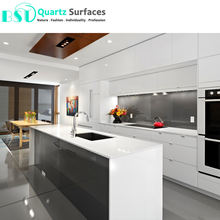
Engineered Stone Benchtops – New Silica Free Stone Australia’s Best Alternatives to Engineered Stone Benchtops: A Silica-Free Guide.
Silica-Free Benchtop Alternatives Australia
Foshan, China, 24th Jan 2025 – Engineered stone benchtops have become a staple in Australian homes due to their durability, aesthetic appeal, and affordability. However, the silica content in engineered stone poses significant health risks, particularly to workers involved in fabrication and installation. Prolonged exposure to silica dust can lead to serious health issues, including silicosis, a progressive and often fatal lung disease. As awareness grows, so does the demand for silica-free alternatives. This article explores the best silica-free benchtop options available in Australia, highlighting their benefits, drawbacks, and suitability for various applications.
1. Porcelain Benchtops
Porcelain is an excellent alternative to engineered stone, offering durability, versatility, and a wide range of designs.
Benefits:
- Silica-Free: Unlike engineered stone, porcelain contains negligible silica, making it a safer option.
- Heat Resistance: Porcelain is highly heat-resistant, allowing it to withstand hot pots and pans without damage.
- Scratch Resistance: Its hard surface resists scratches and abrasions, ensuring long-lasting beauty.
- Non-Porous Surface: Porcelain is non-porous, making it resistant to stains and bacteria, and easy to clean.
- Design Options: Available in various colours, patterns, and finishes, including designs that mimic natural stone.
Drawbacks:
- Cost: Porcelain benchtops can be more expensive than engineered stone.
- Brittleness: While durable, porcelain can chip or crack if subjected to heavy impact.
- Installation: Professional installation is essential due to its fragility during handling.
2. Natural Stone Benchtops
Natural stone, such as granite, marble, and soapstone, offers timeless elegance and uniqueness.
Benefits:
- Natural Beauty: Each slab of natural stone is unique, adding a touch of luxury to any space.
- Durability: Stones like granite are highly durable and resistant to scratches and heat.
- Silica-Free Options: Certain natural stones, such as soapstone, have minimal or no silica content.
Drawbacks:
- Porosity: Some stones, like marble, are porous and require sealing to prevent staining.
- Cost: High-quality natural stone can be expensive.
- Maintenance: Periodic sealing and maintenance are required to preserve their appearance.
3. Timber Benchtops
Timber benchtops provide a warm, organic look that complements both traditional and modern interiors.
Benefits:
- Natural Aesthetic: Timber adds warmth and character to kitchens and bathrooms.
- Customizable: Available in various wood species, colours, and finishes.
- Sustainable Options: Many timber benchtops are made from sustainable or recycled wood.
- Silica-Free: Timber contains no silica, making it a completely safe option.
Drawbacks:
- Maintenance: Requires regular sealing and maintenance to prevent water damage and stains.
- Softness: Timber is softer than stone and may dent or scratch more easily.
- Heat Sensitivity: Direct exposure to heat can damage timber surfaces.
4. Stainless Steel Benchtops
Stainless steel is a popular choice for commercial kitchens and increasingly for modern homes.
Benefits:
- Durability: Stainless steel is highly durable, resistant to heat, stains, and corrosion.
- Hygienic: Non-porous and easy to clean, making it ideal for food preparation areas.
- Modern Aesthetic: Offers a sleek, industrial look that suits contemporary designs.
- Silica-Free: Contains no silica, ensuring safety during installation and use.
Drawbacks:
- Cost: Custom stainless steel benchtops can be expensive.
- Scratch Visibility: Scratches and fingerprints are more noticeable on stainless steel.
- Noise: Can be noisier during use compared to other materials.
5. Concrete Benchtops
Concrete is a versatile and durable material that can be customized to suit any style.
Benefits:
- Customizable: Concrete can be moulded into various shapes and finishes, including polished and textured surfaces.
- Durability: Highly durable and resistant to heat and impact.
- Silica-Free Options: Using low-silica cement or additives can make concrete a safer choice.
- Industrial Aesthetic: Ideal for modern and industrial-style homes.
Drawbacks:
- Weight: Concrete is heavy and requires sturdy cabinetry for support.
- Cracking: Prone to cracking if not properly reinforced or installed.
- Maintenance: Requires sealing to prevent stains and moisture absorption.
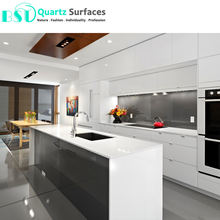
6. Recycled Materials
Recycled benchtops, made from materials like glass, paper, and composite resins, are an eco-friendly alternative.
Benefits:
- Sustainability: Made from recycled content, reducing environmental impact.
- Unique Designs: Offers distinctive patterns and textures not found in natural materials.
- Silica-Free Options: Many recycled products are engineered to be silica-free.
Drawbacks:
- Cost: High-quality recycled materials can be costly.
- Durability Variations: Durability depends on the specific material used.
Key Considerations When Choosing a Silica-Free Benchtop
When selecting a silica-free benchtop, consider the following factors:
- Budget: Determine how much you are willing to spend, including installation and maintenance costs.
- Aesthetic: Choose a material that complements your home’s design style.
- Functionality: Consider how the benchtop will be used and select a material that meets your durability and maintenance needs.
- Sustainability: Opt for eco-friendly materials to reduce environmental impact.
- Installation: Professional installation is often necessary, especially for heavier or more fragile materials.
Conclusion
As concerns over silica exposure grow, the Australian market is embracing a wide range of alternatives to engineered stone benchtops. From porcelain and natural stone to timber and recycled materials, there are plenty of silica-free options to suit diverse tastes, budgets, and functional requirements. By choosing one of these safer alternatives, homeowners can create beautiful, durable, and healthy spaces without compromising on style or performance.
At Bestone, customer satisfaction is our top priority. We strive to provide each and every customer with personalized service and attention to ensure a smooth and enjoyable experience. From the moment you contact us to the final installation of your quartz stone countertops, we are dedicated to making your vision a reality.
Don’t settle for mediocre countertops that will need to be replaced in a few years. Choose Bestone for quality, durability, and style that will last a lifetime. Contact us today to learn more about our silica-free quartz stone countertops and how we can help transform your space into a masterpiece.
Experience the Best with Bestone
Bestone was founded in 2007. We founders came together with a shared dream: Build a life with the best stone. Our passion, expertise, and determination laid the foundation for Bestone, a leading manufacturer and exporter of artificial quartz stone slabs in China. Our stone products have been exported to 109 countries.
We provides Complete Stone Solution for Global Customers with all kinds of Natural & Artificial Stone – Marble, Granite, Onxy, Quartz Stone, Solid Surface, Artificial Marble, Sintered Stone as well as Stone Mosaic. With the ability of Designing, Plotting & Fabricating, Bestone is able to provide project services for Hotel, Condo, Apartment, Villa, Commercial & Domestic Home Projects.
In conclusion, when it comes to selecting the best quality silica-free quartz stone countertops for your home, Bestone is the supplier you can trust. With a commitment to excellence, unparalleled expertise, and a dedication to customer satisfaction, Bestone stands out as the top choice for premium countertops. Upgrade your space with the best of the best – choose Bestone Quality Silica Free Quartz Stone Countertops Supplier today.
Frequently Asked Questions (FAQs)
1. What are silica-free benchtops and why are they important?
Silica-free benchtops are surface materials with very low or no crystalline silica. They are important because cutting or fabricating engineered stone can release silica dust. In addition, this dust can cause serious lung diseases such as silicosis. Therefore, these alternatives reduce health risks while still offering durability and style.
2. Which materials are commonly used as silica-free benchtop alternatives?
Common silica-free options include porcelain, natural stone like granite or soapstone, timber, stainless steel, concrete, and recycled materials. In general, each option offers different durability, maintenance needs, and design flexibility depending on its use.
3. Are porcelain benchtops completely silica-free?
Porcelain contains very low silica levels compared to engineered stone. Therefore, it reduces risk during fabrication. However, “silica-free” usually means a major reduction in risk, not a complete absence in every manufacturing stage.
4. What are the main advantages of natural stone benchtops?
Natural stone benchtops provide unique patterns, strong durability, and heat resistance. For example, granite lasts a long time, while soapstone contains minimal silica. However, some stones still need sealing and regular care to avoid stains.
5. Are timber benchtops suitable for kitchens?
Timber benchtops work well in kitchens and create a warm, natural look. In addition, they contain no silica and offer full customization. However, they need regular sealing and care to protect against moisture, scratches, and heat damage.
6. Is stainless steel a good option for home benchtops?
Stainless steel is durable, hygienic, and heat-resistant. Therefore, it works well in modern kitchens and commercial spaces. However, it can show scratches and fingerprints more easily than other materials.
7. What are the benefits of concrete benchtops?
Concrete benchtops offer strong durability and high customization. For example, they allow different shapes, textures, and finishes. In addition, they can use low-silica materials. However, they are heavy and may crack if not installed properly, so they usually need sealing.
8. Are recycled material benchtops environmentally friendly?
Yes, recycled benchtops use materials like glass, paper, or composite blends. Therefore, they help reduce waste and environmental impact. However, durability and cost can vary depending on the recycled materials used.
9. What should be considered when choosing a benchtop material?
Key factors include budget, durability, maintenance, design style, and environmental impact. In addition, installation requirements matter because some materials need professional handling due to weight or fragility.
10. Are silica-free benchtops widely available in Australia?
Yes, silica-free alternatives are now widely available in Australia. In addition, demand has increased due to health concerns about engineered stone. Therefore, many suppliers now offer options like porcelain, timber, stainless steel, and recycled surfaces.
Media Contact
Organization: BESTONE HIGH TECH MATERIALS CO., LTD
Contact Person: Mr. Tay Suen
Website: https://www.bstquartz.com/
Email: Send Email
Contact Number: +8613763311804
Address: Office: Rm. 1504-1505, Building 7, Tian’an Center No. 31, East Jihua Rd, Guicheng, Nanhai
Address 2: Guangdong,China
City: Foshan
Country: China
Release Id: 24012522956